
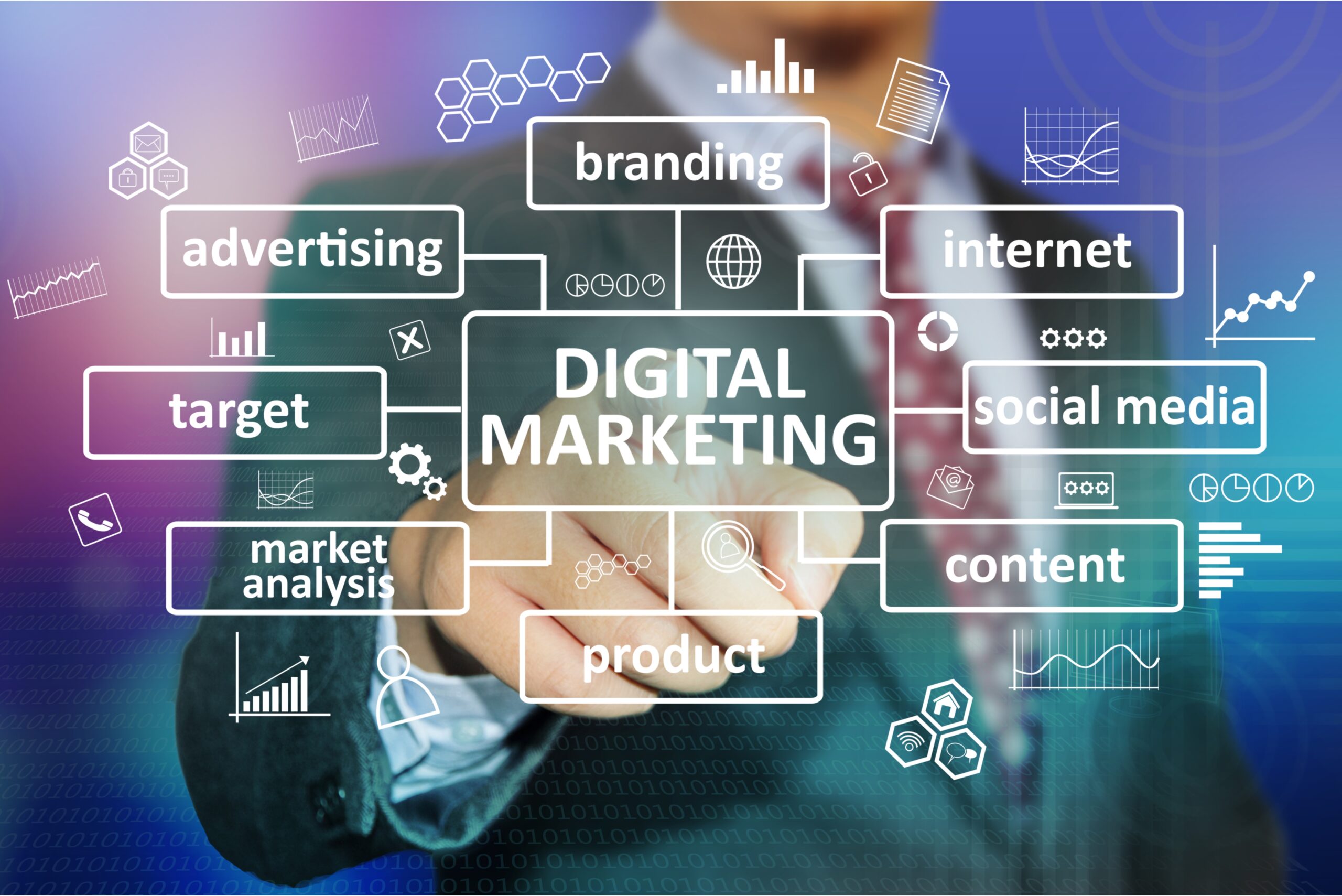
Digital marketing in 2026 refers to all online strategies used by businesses to reach customers through search engines, social media, websites, email, content, and paid ads. In 2026, digital marketing focuses on AI-powered personalization, faster user experience, search intent, short-form video, and data-driven decision-making. It helps businesses improve visibility, generate leads, and build trust online.
What Is Digital Marketing in 2026?
Digital marketing in 2026 means promoting products and services using online channels such as search engines, social media, websites, content, email, and digital ads.
It includes both organic methods like SEO and content marketing, and paid methods like PPC ads and social media advertising.
In 2026, digital marketing is shaped by:
- Artificial intelligence
- Personalization
- Voice and conversational search
- Short-form content
- Faster user experience
- Privacy-focused tracking
The goal remains the same:
Help businesses reach the right audience, at the right time, with the right message.
Why Digital Marketing Matters in 2026
Digital marketing plays a key role for businesses because:
- Customers spend more time online
- Buying decisions start on Google and social media
- AI tools help automate tasks and improve accuracy
- Online competition is increasing
- Local search is dominating
- Businesses need measurable results, not guesswork
Whether you are a small business, startup, doctor, dentist, real estate company, or eCommerce brand, digital marketing helps you stay discoverable and trusted.
How Digital Marketing Works in 2026 (Step-by-Step)
Digital marketing follows a simple structure, even in 2026:
Step 1: Understand your audience
Who they are, what they want, and where they spend time online.
Step 2: Improve your online presence
Website, Google Business Profile, and social media.
Step 3: Attract the right people
Using SEO, blogging, short videos, and content marketing.
Step 4: Convert website visitors into leads
Landing pages, forms, offers, and retargeting ads.
Step 5: Build long-term customer relationships
Email marketing, automation, customer reviews, educational content.
Step 6: Measure results
Using analytics tools like GA4 and Search Console.
Types of Digital Marketing in 2026
Digital marketing includes several categories that work together.
1. Search Engine Optimization (SEO)
Improving your visibility on Google.
This includes keyword optimization, technical SEO, website speed, mobile-first design, and high-quality content.
Useful for:
- E-commerce brands
- Small businesses
- Doctors & dentists
- Educational institutes
- Real estate companies
- Restaurants
2. Content Marketing
Creating valuable content such as blogs, guides, videos, or infographics.
Examples:
- Educational blogs
- Industry insights
- How-to videos
- Website content
This helps build trust and authority.
3. Social Media Marketing
Using platforms like Instagram, Facebook, LinkedIn, and YouTube to reach customers.
In 2026, trends include:
- Short videos
- Engagement-driven content
- UGC (User-Generated Content)
- Influencer collaborations
4. Paid Advertising (PPC)
Running ads on Google Ads, Meta Ads, YouTube, or LinkedIn.
Businesses use paid ads for:
- Immediate visibility
- Lead generation
- Retargeting
- Sales growth
5. Email & Marketing Automation
Sending targeted emails and automated sequences based on customer behavior.
This helps:
- Build long-term relationships
- Improve conversions
- Reduce manual work
6. Local SEO & Hyperlocal Marketing
Optimizing for searches like:
- “digital marketing agency near me”
- “dentist near me”
- “restaurant in Indore”
- “best physiotherapist near me”
Local SEO is essential for doctors, clinics, gyms, restaurants, real estate agents, and small businesses.
What’s New in Digital Marketing in 2026?
Here are key trends shaping the year.
1. AI-driven personalization
AI tools customize content, emails, and ads based on user behavior.
2. Conversational search growth
People now search using natural language.
Example:
“Which is the best digital marketing agency for small businesses?”
“How do dentists get patients using digital marketing?”
3. Short-form video dominance
Reels, Shorts, and TikTok-like formats continue to lead.
4. First-click and last-click attribution updates
Businesses now get better insights into what channel drives real conversions.
5. Faster websites rank higher
Speed, UX, and mobile-first design matter more than ever.
6. Voice search optimization
People use voice search for local services like:
- doctors
- dentists
- restaurants
- travel services
7. Privacy-first advertising
Tracking changes require better creative and content strategies.
Benefits of Digital Marketing for Businesses (2026)
Digital marketing helps businesses:
- Increase online visibility
- Grow brand trust
- Generate high-quality leads
- Reduce customer acquisition cost
- Stay ahead of competitors
- Reach local and global audiences
- Track results with accuracy
- Improve customer experience
Industries that benefit the most:
- Doctors & dentists
- E-commerce brands
- Real estate companies
- Educational institutes
- Small businesses & startups
- Travel and tourism
- Manufacturers
- Restaurants and cafes
Digital Marketing in 2026: What Businesses Must Focus On
1. High-quality content
Clear, helpful, well-structured content wins in 2026.
2. SEO + Local SEO
Crucial for visibility and credibility.
3. Fast-loading, mobile-first websites
Now a mandatory requirement.
4. Short videos
Key for engagement and discovery.
5. AI tools for content & automation
Boost productivity and accuracy.
6. Strong branding across all platforms
Consistency improves trust.
Digital Marketing Channels and Their Purpose (2026)
| Channel | Main Purpose | Best For |
|---|---|---|
| SEO | Long-term visibility | All businesses |
| PPC | Fast leads & sales | Startups, eCommerce |
| Social Media | Engagement & brand awareness | Restaurants, retail, education |
| Content Marketing | Trust & authority | B2B, education, healthcare |
| Email Automation | Retention & nurturing | Services, clinics, real estate |
| Local SEO | Local visibility | Doctors, dentists, gyms, real estate |
FAQs
- What is digital marketing in 2026?
Digital marketing in 2026 is the use of online channels like SEO, social media, content, and paid ads to reach customers. It includes AI-driven personalization, fast website experience, short-form video, and data-focused strategies. - What are the main components of digital marketing in 2026?
The main components include SEO, content marketing, social media marketing, email automation, PPC advertising, local SEO, and branding. - Why is digital marketing important for small businesses in 2026?
Because customers search online before choosing any service. Digital marketing helps small businesses build visibility, trust, and consistent leads. - How does AI affect digital marketing in 2026?
AI helps with content creation, personalization, customer experience, analytics, and automation. It improves accuracy and reduces manual effort. - Which digital marketing channels give the best ROI in 2026?
SEO, email marketing, and retargeting ads give the highest ROI. They attract warm audiences and reduce acquisition costs.
Conclusion
Digital marketing in 2026 continues to evolve with AI, personalization, and user experience leading the change.
Businesses of all sizes—from small businesses to doctors, restaurants, eCommerce, real estate, and educational institutes—can grow by using the right mix of SEO, content, social media, PPC, and automation.
A strong digital strategy in 2026 focuses on helpful content, fast websites, smart targeting, and customer trust.